Join us for the annual Bee Symposium at FDLTCC! Featuring the UMN Bee Squad, Pollinator Researchers, Bee Keeping 101, and great door prizes.
Date: February 14, 2026
Time: 9:00am -3:30pm
Location: FDLTCC
For more information, contact Courtney Kowalczak at courtneyk*AT*fdltcc.edu.


Join us for the annual Bee Symposium at FDLTCC! From great vendors and information tables to esteemed guest speakers you’ll learn everything from beginning beekeeping to the role bees play in human health. Dr. Priya Chakrabarti and Dr. Dewey Caron will be offering this year’s keynote presentations. NEMNBA members get $5 off registration.
2025 Bee Symposium Agenda
8:30 AM — Doors Open
9:00 AM — Welcome
9:30 AM — Beekeeping 101, Room 186
— Condensing vs Ventilating Hive Wraps, Room 230
10:45 AM — Treasures of the Hive- using honey and beeswax to make homemade products, Room 186
12:00 PM — Lunch & Prize Giveaway, Commons
1:00 PM —Impacts of Climate Change on Bee Nutrition, Dr. Prya Chakrabarti, Room 195
2:00 PM — Small Scale Beekeeping Takes a Community, Dr. Dewey Caron, Room 195
Beekeeping 101, U of M Bee Squad
U of MN Bee Squad beekeeper and educator Jenny Warner will introduce students to the rich history of beekeeping, the basics of bee biology, and how a healthy hive functions. Participants will learn about common pests and diseases, honey production, and practicing responsible hive management. The class also emphasizes finding your beekeeping community and trustworthy resources, helping new beekeepers build confidence, stay informed, and succeed.
Condensing vs Ventilating Hive Wraps, U of M Bee Squad
Isabell Dyrbye-Wright (MS) from the U of MN Bee Squad will be talking about overwintering in Northern Climates. Isabell will cover basic biology of a colony throughout the winter, how the University of MN overwinters colonies, and discuss the differences between condensing and ventilating hives. This talk will equip beekeepers with the fundamental knowledge of successful overwintering tactics.
Impacts of climate change on bee nutrition.
Talk summary: The rapidly shifting environment is impacting not only plants but also pollinators in many ways. The talk will discuss why poor nutrition is a concern for beekeeping and how the changing climate can impose nutritional stress on bees. The talk will also share how heat stress can impact honey bees.
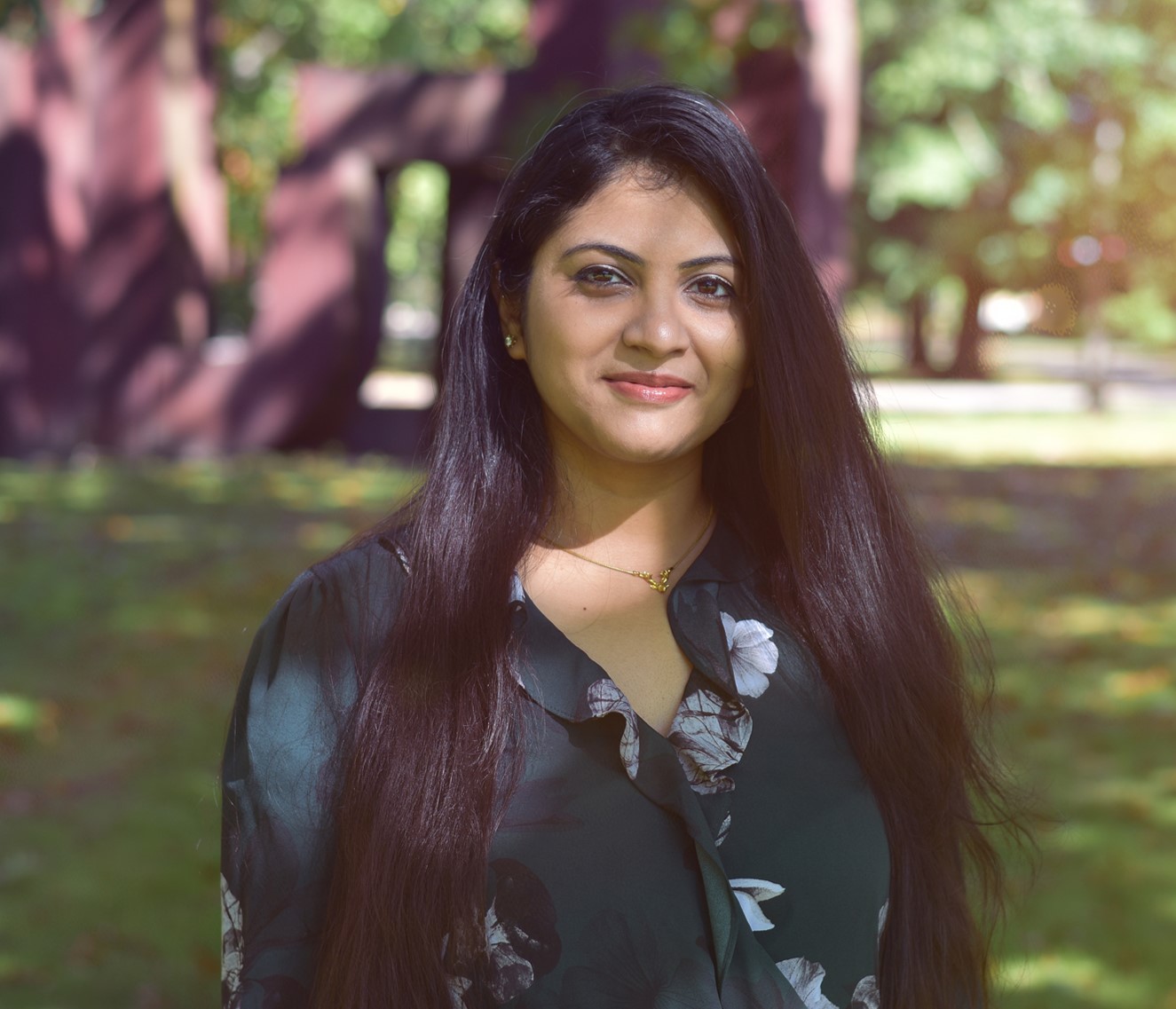
Presenter Bio: Dr. Priya Chakrabarti Basu is an Assistant Professor at the Department of Entomology, Washington State University. Priya is also a courtesy faculty at Oregon State University. She was previously an Assistant Professor at Mississippi State University. Priya studies the interactive impacts of multiple stressors on bees, for example poor nutrition, pesticides, climate change and diseases. She uses a wide array of multidisciplinary techniques across fields such as physiology, toxicology, functional biology, multiomics-based approaches and neuroethology to address her research questions. She is currently the Secretary/Treasurer of the American Association of Professional Apiculturists, the Vice-President of the PBT Section of the Entomological Society of America and the North American Chair of the nutrition taskforce for COLOSS, the international bee organization. She was also the past Chair of the Early Careers Professionals Committee of the Entomological Society of America and the Vice-President of Mississippi Entomological Association. In addition to the research community, Priya enjoys teaching and working with stakeholders, policymakers and the general community in protecting bee pollinators and raising pollinator awareness. Priya is also a children’s book author to help spread pollinator awareness among young readers. More information about her lab’s research can be found at: www.priyadarshinichakrabarti.com.
Small Scale Beekeeping takes a community
The learning curve is steep to learn beekeeping. It depends on learning basic bee biology and seasonal cycles.Success will be fostered by getting assistance in the starting and initial colony management. We can define success in many ways. Drawing upon my work with cultures of the Americas I will seek to highlight how social factors can influence beekeeping success..
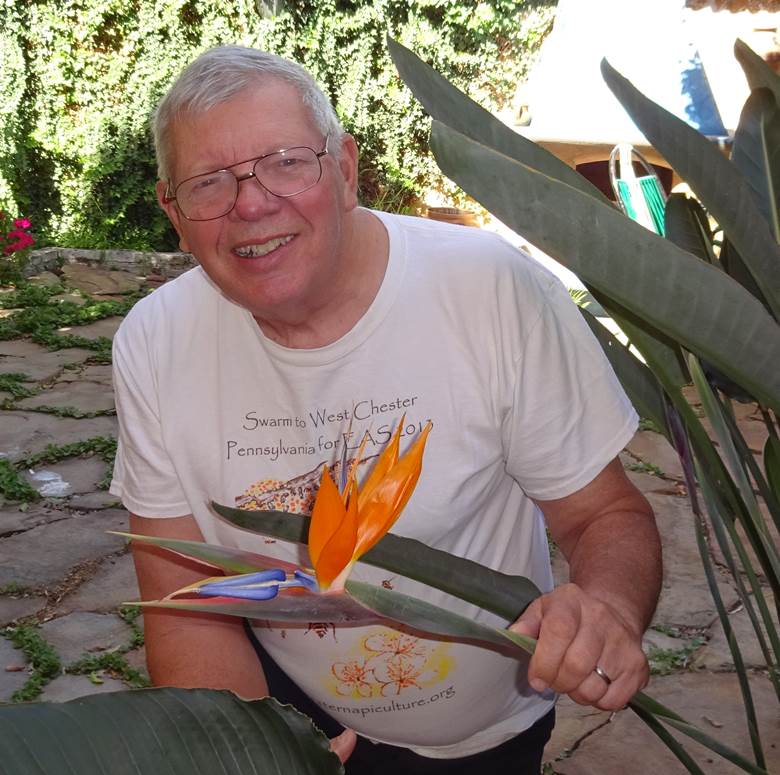
Presenter Bio: Dr Dewey M. Caron is Emeritus Professor of Entomology & Wildlife Ecology, Univ of Delaware, & Affiliate Professor and Content/Communications Specialist, OR Master Beekeeper program, Dept Horticulture, Oregon State University. With retirement from Univ of Delaware in 2009 I moved to Portland, OR to be closer to grandkids. In retirement I remain active in bee education. I have worked in the Americas to teach how to beekeep with defensive Africanized bees since 1981. I have continued activity with EAS, am WAS member-at-large to the WAS Board and to Honey Bee Health Coalition where I have been active on the Honey Bee Health task force and with Pollinator Partnership where I recently completed the BEEMD web and app program.
Fond du Lac Tribal and Community College created the Environmental Institute concept on campus to actively promote the educational and cultural growth of the community in studies covering natural resources and the environment. Fond du Lac Tribal and Community College uses the Environmental Institute in environmental resource areas to follow all points of the College’s mission and coordinate ongoing education, research, outreach, and other activities. This emphasis allows Fond du Lac Tribal and Community College to fulfill its status as a United States Land Grant Institution by “being a people’s college and solving problems which benefit people.”
The Environmental Institute is determined to be a catalyst for positive change in our community. Visit the Environmental Institute’s YouTube channel and Facebook page for current happenings.
Getting to Campus:
Take the Highway 33/Cloquet exit from Interstate 35, go north approximately one mile to Washington Avenue and turn right. Go to the first stop sign at 14th Street. Turn right onto 14th Street and follow for about one mile. The campus is on the right hand side of 14th Street. Parking is available in any of the lots that surround the main building. On-campus parking is free.
Please contact Courtney Kowalczak at courtneyk@fdltcc.edu with any questions about the 2026 Bee Symposium.